What is a stroke?
Stroke is a disease that affects the arteries leading to and within the brain. It is the #5 cause of death and a leading cause of disability in the United States.
Types of stroke
Ischemic stroke (blood clot)
Ischemic stroke is the most common type of stroke accounting for about 87% of all strokes that occur.
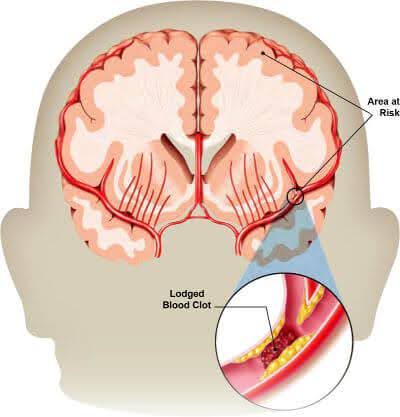
- An ischemic stroke is when a blood clot blocks blood flow in an artery that carries oxygen and nutrients to the brain tissue.
- Ischemic stroke is the most common type of stroke accounting for about 87 percent of all strokes that occur.
Embolic
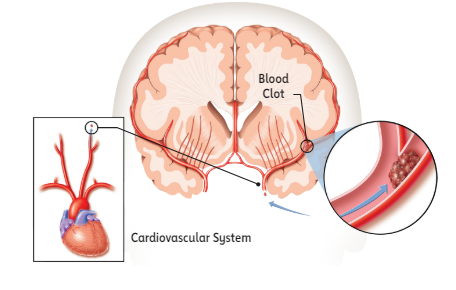
- Clots can develop at the site of plaque build up in the walls of our arteries (called atherosclerosis) and block an artery or break off and travel to a part of the brain.
- Clots may also travel to the brain from the heart or other parts of the circulatory system. This is called an embolism.
Thrombotic
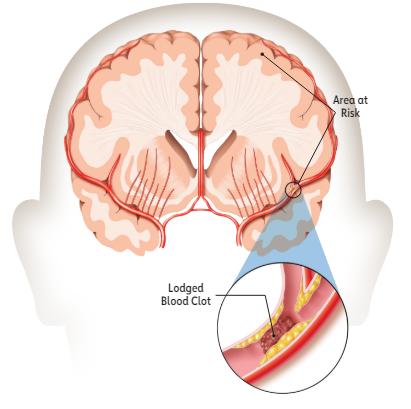
- A thrombotic stroke is a blood clot that forms inside an artery that supplies blood to the brain. The clot interrupts blood flow and causes a stroke.

Transient ischemic attack (TIA)
- Symptoms of a TIA can last a few minutes to several hours but do not usually last for more that 24 hours total. After 24 hours if symptoms persist, it is more likely that brain damage (an ischemic stroke) has occurred.
- A TIA may be a warning sign that you are at increased risk for an ischemic stroke and therefore should still call 911 and receive an emergency assessment to prevent a future event.
Hemorrhagic (bleeding within the brain)
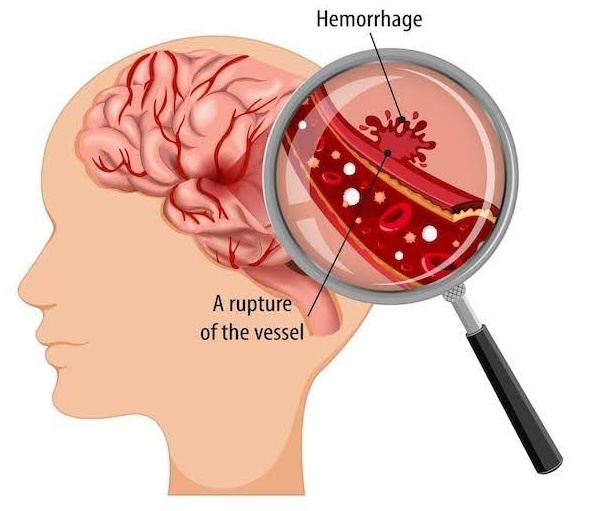
- A hemorrhagic stroke (bleeding stroke) occurs when a blood vessel ruptures causing blood to collect within the brain tissue.
- Hemorrhagic strokes account for about 13 percent of all strokes and therefore, are less common than ischemic strokes.
There are multiples types of hemorrhagic stroke, including:
- Subarachnoid hemorrhage (SAH): when a blood vessel ruptures and blood collects in the space between the brain and skull. This is often caused by an aneurysm which is a balloon like outpouching that weakens the wall of the artery.
- Intracerebral hemorrhage (ICH): when an artery in the brain ruptures causing blood to pool into the brain tissue. This is most commonly caused due to high blood pressure over time.
Learn the warning signs using the BE FAST acronym:
B — balance: sudden loss of balance or coordination
E — eyes: sudden vision changes
F — face: face drooping on one side
A — arms: weakness or numbness in one arm
S — speech: slurred or strange speech
T — time: call 911 immediately!
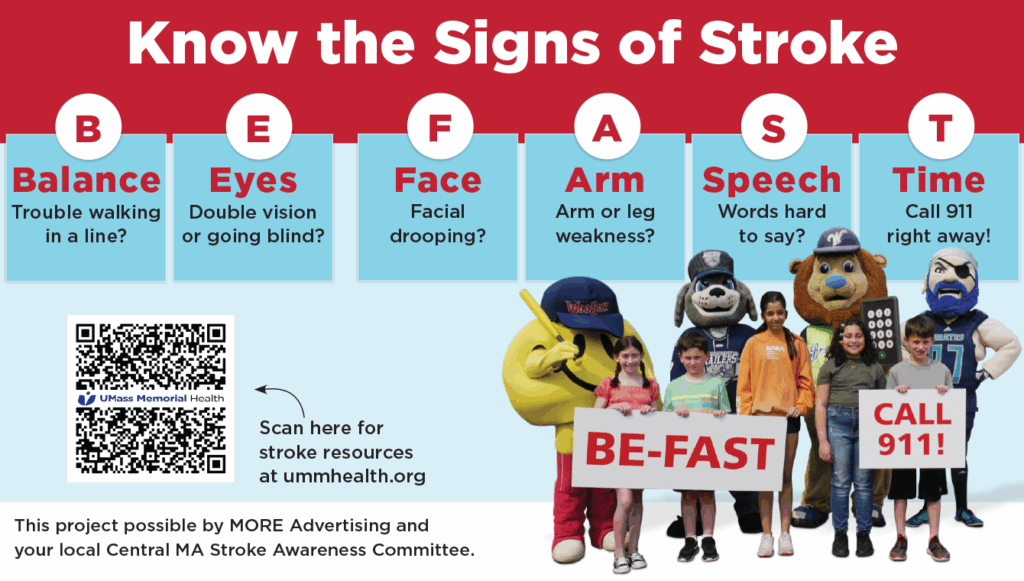
BE FAST:
RAPIDO:
Treating a Stroke
When someone has a stroke, the first priority is to get them to emergency care. Depending on when the stroke began and what kind of stroke they’re having, different treatment options are available, and these can include using medications to break the blood clot causing an ischemic stroke, using a technique called thrombectomy to remove a clot, or having surgery to stop a bleed in a hemorrhagic stroke.
Additional Content
American Medical Association: Self-Measured Blood Pressure
Materials to Share
Use these downloadable materials to share information about strokes and associated diseases.
Stroke Fact Sheet (includes Chinese, English, Haitian Creole, Portuguese, Russian, Spanish, and Vietnamese)
“You can quit smoking!” pamphlet (includes English and Spanish)
“Lower your risk for type 2 diabetes” pamphlet (includes English and Spanish)
Healthy blood pressure pamphlet (includes English and Spanish)